In many industrial facilities, poorly performing, aging insulation can account for up to 30% of energy loss. Over time, that doesn’t just impact efficiency; it drives higher operating and maintenance costs, increases system strain, and contributes to more frequent repairs. Understanding how insulation degrades, what it’s costing your facility, and when to take action can help you take control of costs before they escalate.
How Everyday Operations Impact Insulation Performance
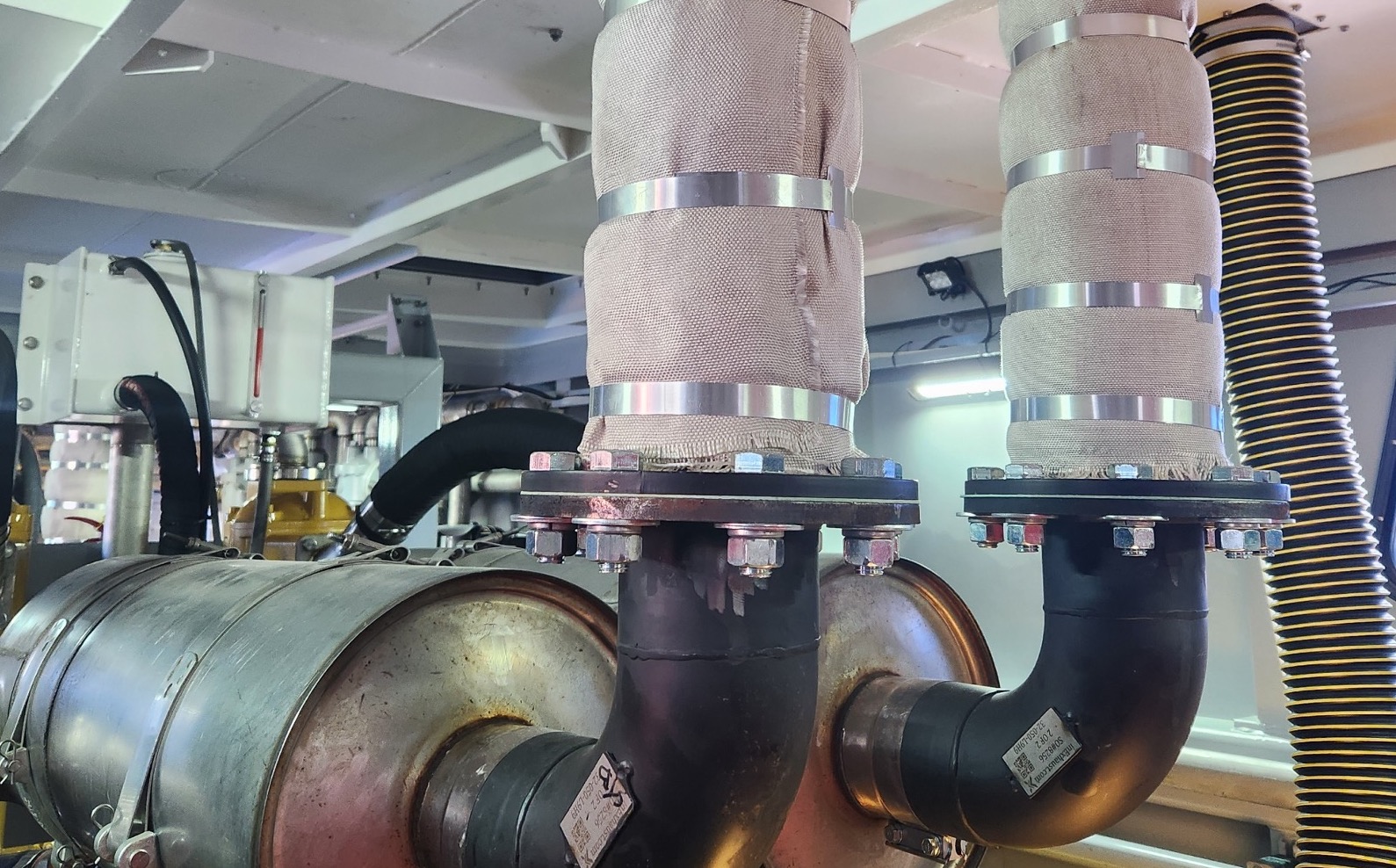
What you wrap your industrial pipes in can and will affect your facility’s operational performance. Different insulation materials respond differently to environmental conditions, and over time, exposure to moisture, temperature changes, and daily operations can accelerate insulation degradation and reduce overall system efficiency.
Environmental Factors That Accelerate Insulation Degradation
Moisture and Humidity Exposure
Temperature Fluctuations
UV Exposure
(Outdoor Systems)
Sunlight can degrade certain insulation materials, especially when pipes do not include proper pipe jacketing.
Chemical Exposure
Mechanical Damage
Air Movement and Wind
Can wear down surfaces, especially those with loose fibers like fiberglass, peel back edges, and reduce system integrity over time.
How Material Choice Impacts Long-Term Maintenance Costs
Fiberglass Insulation
Mineral Wool
Foam Insulation
Offers strong thermal performance but can degrade with UV exposure or physical damage if not protected.
Calcium Silicate Insulation
Elastomeric Insulation
Often used for HVAC systems, but susceptible to UV damage and tearing if not properly maintained.
It’s important to select the right insulation for the right application to ensure long-lasting performance.
3 Hidden Costs of Insulation Degradation
1. Energy Waste
Damaged or aging insulation allows heat to escape or enter where it shouldn’t across pipes, equipment, and process systems. This increases energy demand, reduces system efficiency, and drives up operating costs across the facility.
2. Equipment Wear & Tear
When insulation isn’t performing, systems have to work harder to maintain the required temperatures. Boilers fire more often, chillers run longer, and pumps circulate more frequently to make up for heat loss or gain. This added runtime and strain lead to more frequent repairs, higher maintenance costs, and a shorter lifespan for your equipment.
3. Safety & Compliance Risks
Failing insulation isn’t just a maintenance issue; it can create real safety and compliance concerns. Exposed hot surfaces can become burn hazards under OSHA guidelines, while deteriorated insulation can increase fire risk under National Fire Protection Association standards. Moisture-damaged insulation can also hide corrosion, increasing the risk of leaks or system failure.
These issues can quickly lead to failed inspections, fines, or even shutdowns if not addressed.
What Aging Insulation Is Really Costing Your Facility
Use this quick checklist to see how aging insulation may be impacting your operation:
Are your energy bills creeping up without a clear reason?
Are you repeatedly repairing the same insulation areas?
Is your equipment running longer or more frequently?
Are you noticing condensation, moisture, or corrosion?
Have you experienced unexpected maintenance issues or downtime?
Are there exposed or damaged areas that haven’t been addressed?
Checked a few of these?
You’re not alone.
Most facilities don’t realize how much aging insulation is impacting performance until it’s evaluated.
If you want a clearer understanding of what’s happening in your facility, our team can take a closer look and provide recommendations based on your system and environment.
Cost-Effective Strategies to Address Aging Insulation
Addressing aging insulation doesn’t equal unnecessary spending. With the right approach, you can reduce maintenance costs, improve energy efficiency, and avoid larger system issues down the line. The key is knowing where to focus your efforts and when to take action.
Inspection and Audit Best Practices
Start by evaluating the areas most prone to insulation degradation, such as mechanical rooms, chilled water lines, and exposed piping. Look for visible damage, moisture, or recurring problem spots that require frequent attention. These are often early indicators of larger performance issues.
A professional inspection goes beyond what’s immediately visible, helping identify hidden energy loss, moisture intrusion, and system inefficiencies. This allows you to prioritize repairs or replacement based on real impact, not guesswork.
Replacement vs. Retrofit Considerations
While quick fixes may seem cost-effective, they often lead to repeated maintenance and higher long-term costs. In many cases, targeted insulation replacement is the more efficient solution, restoring system performance and reducing ongoing issues.
The goal is to evaluate whether a repair will hold or if it’s simply delaying a larger failure. Making the right call here can significantly improve efficiency and overall facility performance.
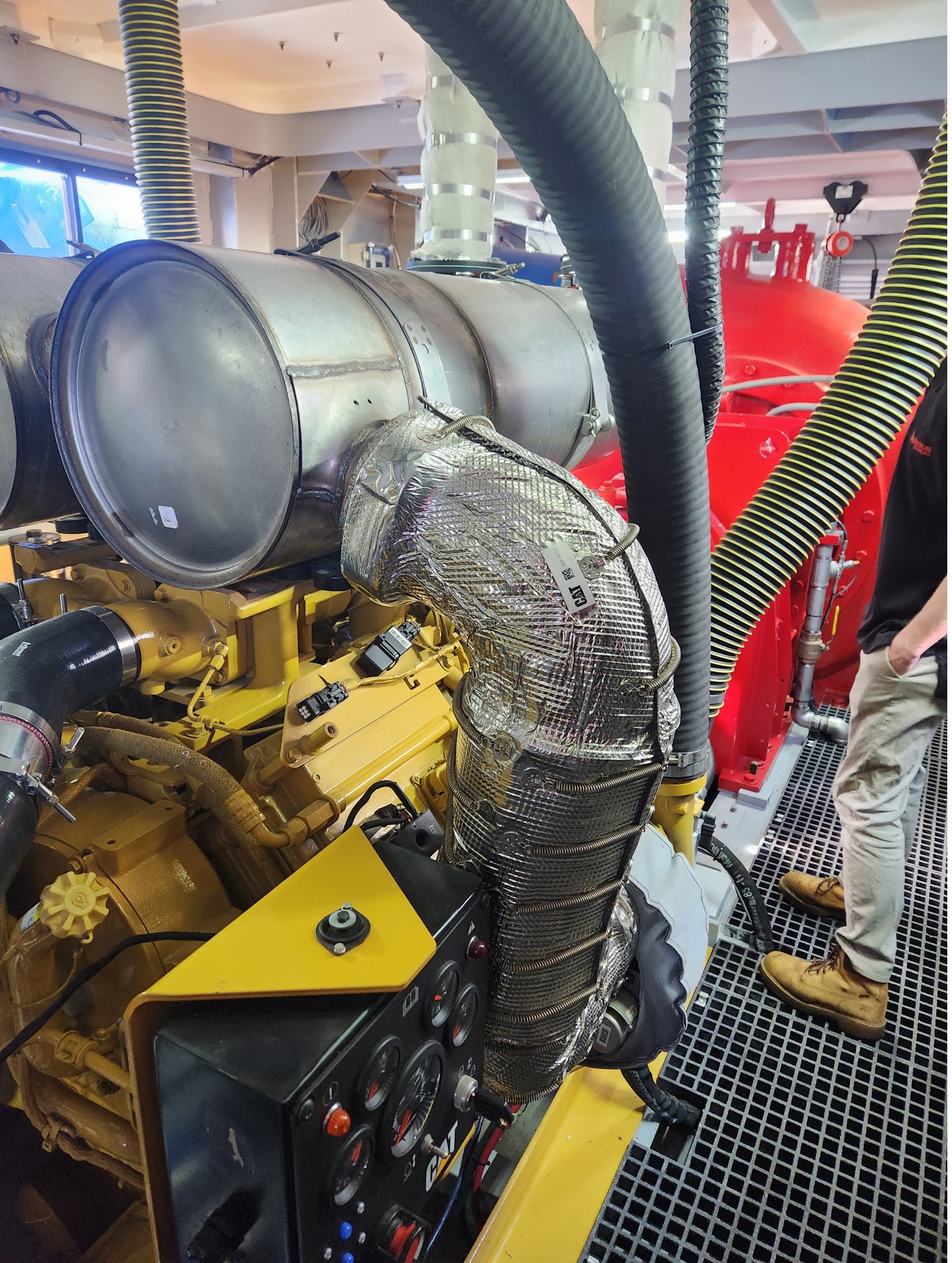
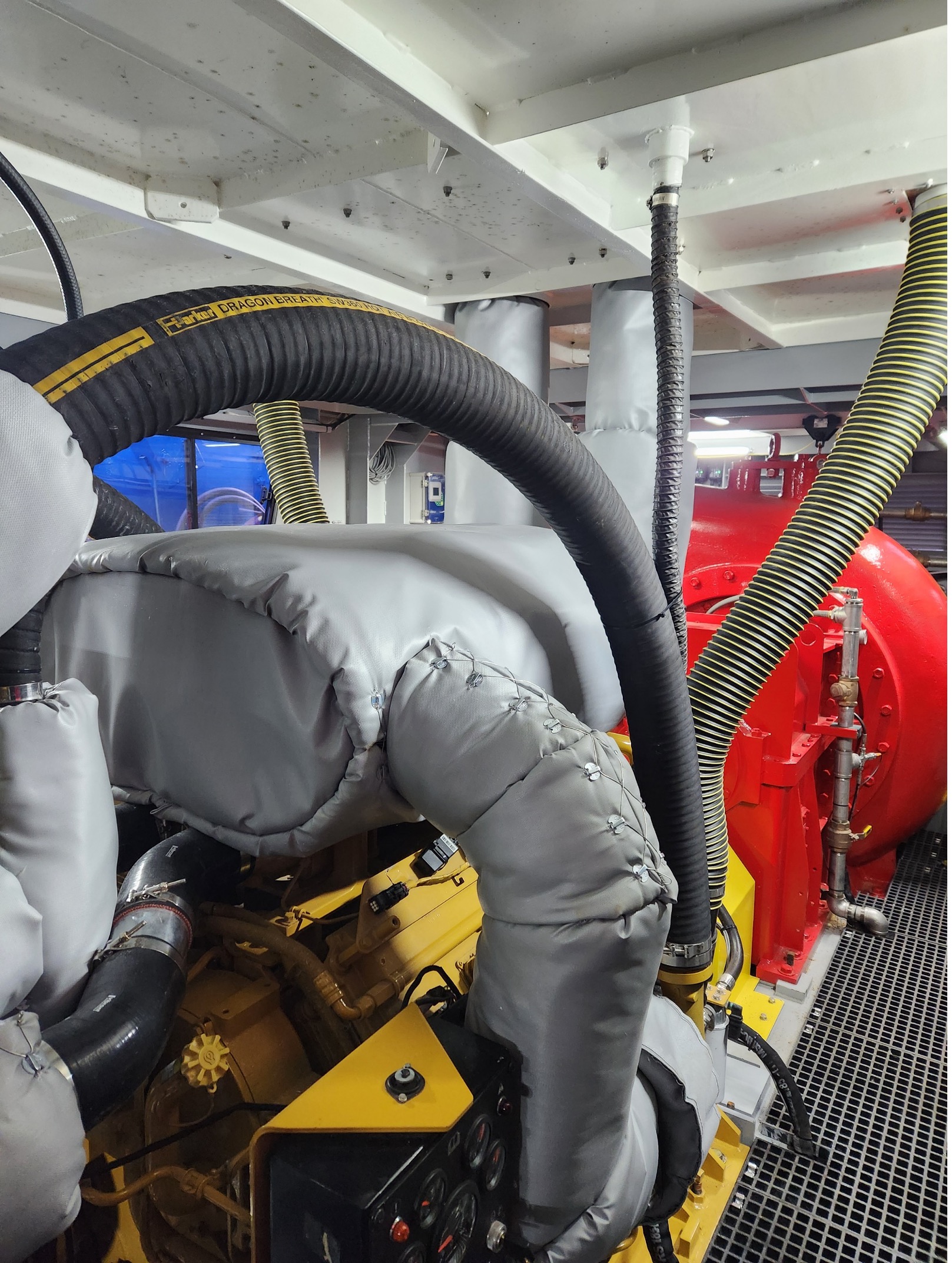
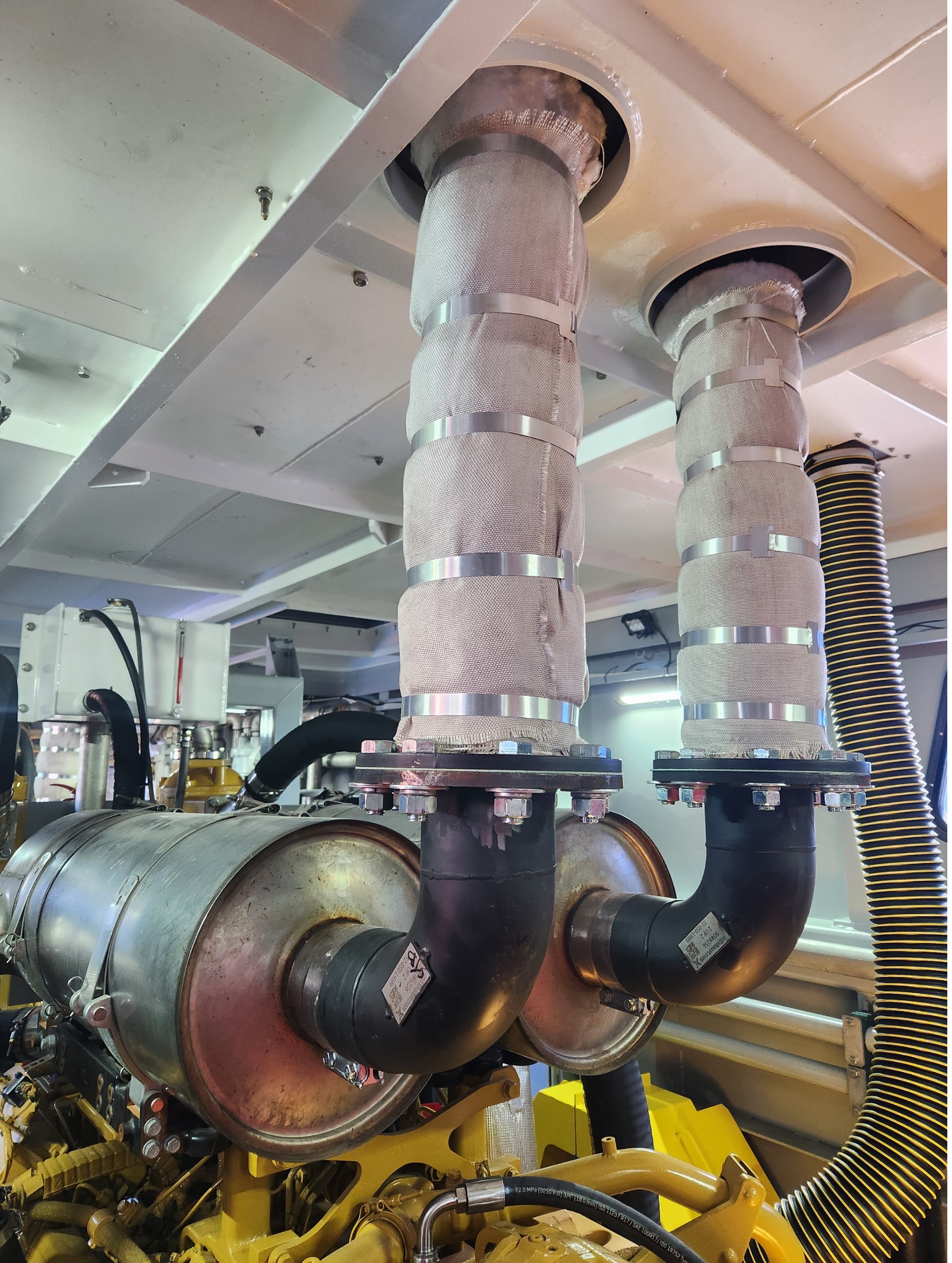
Before & After Insulation Replacement

Partnering with Experts for Long-Term Savings
Working with an experienced insulation partner ensures you’re not just addressing surface-level issues. A knowledgeable team can assess your facility, recommend the right materials, and implement solutions designed for long-term performance.
With decades of experience across industrial facilities, C.E. Thurston helps identify cost drivers, reduce maintenance demands, and deliver reliable insulation solutions that support your operation.
If you’re noticing the signs of aging insulation, now is the time to act. Contact the C.E. Thurston team for a quote and get a clear path forward.
Frequently Asked Questions
Yes. Upgrading insulation can significantly reduce operational costs by improving energy efficiency, reducing equipment strain, and minimizing ongoing maintenance.
The National Insulation Association recommends at least annual visual inspections of the external surface for cracks, corrosion, and damage.
The lifespan of industrial insulation depends on the material, environment, and how well it’s maintained. In controlled conditions, some systems can last 15–25 years, but in real-world industrial facilities, exposure to moisture, temperature fluctuations, and mechanical damage often shortens that timeline.
In many cases, insulation begins to lose effectiveness long before it completely fails, which is why regular inspections are critical.
There are 8 warning signs your industrial pipe insulation may be failing.
- Rising energy costs or decreased system efficiency
- Hot surface temperatures on piping or equipment
- Condensation, dripping, or moisture buildup
- Corrosion under insulation (CUI)
- Physical damage or deterioration
- Temperature fluctuations in facility zones
- Increased noise levels
- Poor indoor air quality or unusual odors