Industrial insulation plays a major role in keeping facilities safe, efficient, and compliant. When insulation begins to fail, the impact is felt quickly—through higher energy bills, equipment strain, safety hazards, and potential shutdowns. With more than 100 years of experience, C.E. Thurston’s certified insulation teams understand what warning signs plant managers should look for and how to quickly diagnose issues before they escalate.
Below are the top indicators of industrial insulation failure, along with guidance on when it’s time to bring in a professional.
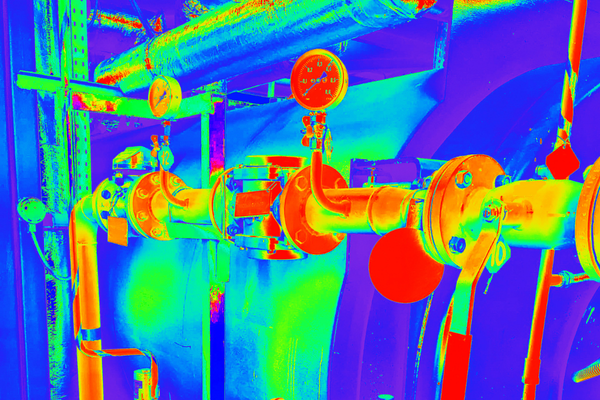
1. Rising Energy Costs or Decreased System Efficiency
If your energy bills are increasing without a clear explanation, insulation may be losing effectiveness.
What to look for:
- Systems working harder to maintain temperature
- Heat loss or heat gain in production areas
- Reduced output or longer run cycles
Failing insulation forces equipment to compensate for unwanted temperature changes. During an industrial insulation inspection, C.E. Thurston evaluates thermal performance, surface temperatures, and areas where insulation has degraded or become saturated.
2. Hot Surface Temperatures on Piping or Equipment
Insulation that no longer protects high-temperature surfaces can quickly become a safety concern.
What to look for:
- Pipes or mechanical equipment feel hotter than normal
- Workers report burn risks
- Surface temperatures exceed OSHA requirements
Common causes include aging materials, compression, or moisture saturation. Proper installation by certified professionals is essential to prevent recurring issues and support long-term safety.
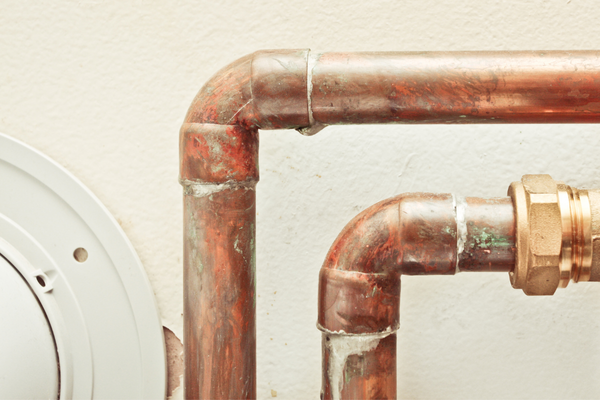
3. Condensation, Dripping, or Moisture Buildup
Moisture is one of the most obvious signs of failing insulation—especially on chilled water lines, refrigeration piping, or HVAC components.
Why this matters:
- Moisture leads to corrosion, mold, and structural damage
- Saturated insulation cannot be restored
- Water stains or dripping indicate hidden failures
C.E. Thurston’s mechanical insulation experts can identify the cause of moisture intrusion and recommend durable, high-performance replacement materials.
4. Corrosion Under Insulation (CUI)
CUI is one of the most serious—and expensive—consequences of long-term insulation problems.
Early indicators include:
- Rust stains or metal discoloration
- Crumbling, brittle insulation
- Uneven or bulging jacketing
Routine inspections are the best way to identify CUI before it threatens facility integrity. CET technicians are trained to detect corrosion risks and recommend appropriate remediation.
5. Physical Damage or Deterioration
Insulation can degrade over time due to environmental exposure or everyday facility activity.
Common causes of deterioration:
- Tears, dents, or missing sections
- UV exposure
- Vibration or frequent foot traffic
- Aging or damaged jacketing
Leaving damage unaddressed can cause heat loss, condensation, or safety hazards. When a replacement requires specialty fitting, CET’s Richmond custom fabrication shop can manufacture new, perfectly sized components.
6. Temperature Fluctuations in Facility Zones
Uneven heating or cooling in your facility may indicate failing insulation or air leakage.
Potential impacts:
- Inconsistent process temperatures
- Lower product quality
- Equipment cycling more frequently
Prompt assessment prevents broader system strain and helps maintain temperature stability across your operations.
7. Increased Noise Levels
Industrial insulation does more than control temperature—it also reduces noise. If machinery suddenly sounds louder, missing or thinning insulation may be the cause.
What this can signal:
- Insulation breakdown around piping or ductwork
- Deteriorated sound-attenuating materials
- Gaps caused by vibration or age
Addressing noise issues early can improve worker comfort and reduce equipment wear.
8. Poor Indoor Air Quality or Unusual Odors
Failing insulation can contribute to air quality issues—especially when moisture, mold, or aging materials are involved.
Warning signs:
- Musty odors
- Dust or fibers around insulation
- Declining air quality in certain zones
These issues pose both safety and compliance concerns. Inspection and replacement are typically required.
When to Call in a Professional
Industrial insulation problems rarely resolve on their own. DIY patches often fail because the underlying cause—moisture, heat exposure, corrosion, or pressure changes—requires specialized expertise. Working with trained, certified insulation technicians ensures accurate diagnosis, safe removal and replacement, compliance with OSHA and facility standards, and long-term system performance. C.E. Thurston has extensive experience supporting industrial facilities across the region, providing solutions that prioritize safety, efficiency, and durability.
Protect Your Facility with Professional Insulation Services
If you notice any of the warning signs above, it may be time for a professional industrial insulation inspection. Addressing issues early can prevent equipment damage, safety risks, and costly downtime. With more than a century of experience, C.E. Thurston offers certified insulation specialists, proven industrial and mechanical insulation expertise, custom-fit solutions from our Richmond fabrication shop, and a commitment to quality and long-term performance. Contact us today to schedule an inspection or request a custom quote.